

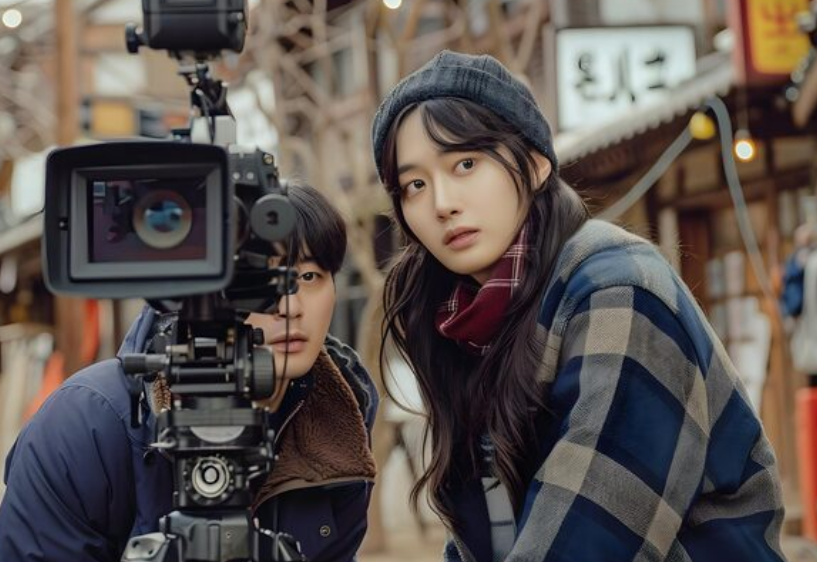
Stories can become much more powerful when people can see the places, faces, and situations behind them. Documentary Video Services give organisations, broadcasters, brands, and independent creators a way to turn real experiences into carefully structured visual stories. In Korea, documentary projects can involve busy cities, changing communities, cultural subjects, and people with very different backgrounds. Capturing these elements requires more than recording interviews and collecting footage. A thoughtful production process helps connect research, locations, contributors, filming, sound, and editing so the finished documentary feels genuine, clear, and meaningful.
Begin With Strong Documentary Research
Good documentary production normally begins before a camera reaches the location. Research helps the team understand the subject, identify useful people to interview, and discover locations that can add context to the story. It can also reveal details that may influence the filming schedule or production approach. When working in Korea, overseas teams may need additional local research because names, places, customs, and language can require careful handling. Spending time on preparation gives the crew a stronger understanding of the subject and helps them arrive with a clearer idea of what they need to capture.
Find the People Behind the Story
People are often the heart of a documentary, so finding suitable contributors is an important part of production. Depending on the subject, this could involve researchers, professionals, community members, business owners, artists, witnesses, or other individuals with direct knowledge of the story. Interviews should feel informative without becoming overly rehearsed. Contributors also need to understand the filming process and what is expected from them. In Korea, language support may sometimes be useful when international crews are interviewing local participants, particularly when the documentary will eventually be distributed to audiences outside the country.
Choose Locations With Meaning
A documentary location should contribute something to the story rather than simply provide an attractive background. Streets, workplaces, homes, public spaces, studios, cultural sites, and natural environments can all help establish where events are happening and why they matter. Seoul alone offers a wide range of visual environments, from modern commercial districts to older neighbourhoods and quieter residential areas. Finding the right locations requires planning around access, timing, noise, lighting, permissions, and transportation. A carefully selected setting can give viewers useful context while making the documentary feel more connected to the real world.
Work With a Production Company in Korea
For international documentary teams, working with a production company in Korea can make local coordination considerably easier. A local production partner may assist with crew arrangements, equipment, location scouting, scheduling, transportation, permits, and communication with people involved in the project. This support can be particularly useful when the main production team is based overseas and cannot manage every Korean production detail remotely. Local knowledge also helps teams understand practical considerations that may not appear in online research, allowing filmmakers to spend more time concentrating on the story and less time solving avoidable logistical problems.
Capture More Than Interviews
A documentary needs supporting footage that gives the audience a sense of place and movement. Interviews can explain the subject, but observational footage can show how people work, travel, communicate, create, or interact with their surroundings. Small details can sometimes become valuable parts of the final edit, including street activity, workplace routines, environmental sounds, objects, and everyday interactions. Documentary crews therefore need to remain attentive throughout filming rather than focusing only on planned interviews. Capturing additional material can provide editors with more options when they later build the story around the strongest moments.
Pay Attention to Sound
Visual quality often receives much of the attention during documentary filming, but sound can influence the viewing experience just as strongly. Clear interview audio is essential, while natural environmental sounds can add atmosphere and help place viewers inside a particular location. Busy streets, markets, workplaces, public transport, and outdoor environments can create challenging recording conditions. Careful microphone placement and monitoring can make a significant difference. For international productions, sound planning should also consider translations, voiceovers, subtitles, and multilingual interviews, ensuring that language does not become a barrier between the finished documentary and its intended audience.
Shape the Story During Editing
Once filming is complete, the documentary needs to be shaped into a coherent story. Editors review interviews, observational footage, photographs, archival material, and other assets to determine what best supports the central idea. Not every strong moment belongs in the final version, so careful selection is important. The editing process may also involve colour correction, sound mixing, subtitles, translations, graphics, and music. For documentaries intended for international audiences, these elements can help preserve the original story while making the content accessible to viewers who may have little previous knowledge about the Korean setting.
Conclusion
Producing a documentary in Korea requires thoughtful research, suitable contributors, meaningful locations, reliable filming, careful sound recording, and patient editing. The process becomes easier when international filmmakers have local support that understands the practical side of production and the importance of preserving the story itself. Posted-productions.com supports documentary and media projects in Korea with services that can help international teams manage local production requirements. With the right preparation and creative approach, documentary makers can capture authentic Korean stories while creating polished content that connects with audiences across different countries and cultural backgrounds.